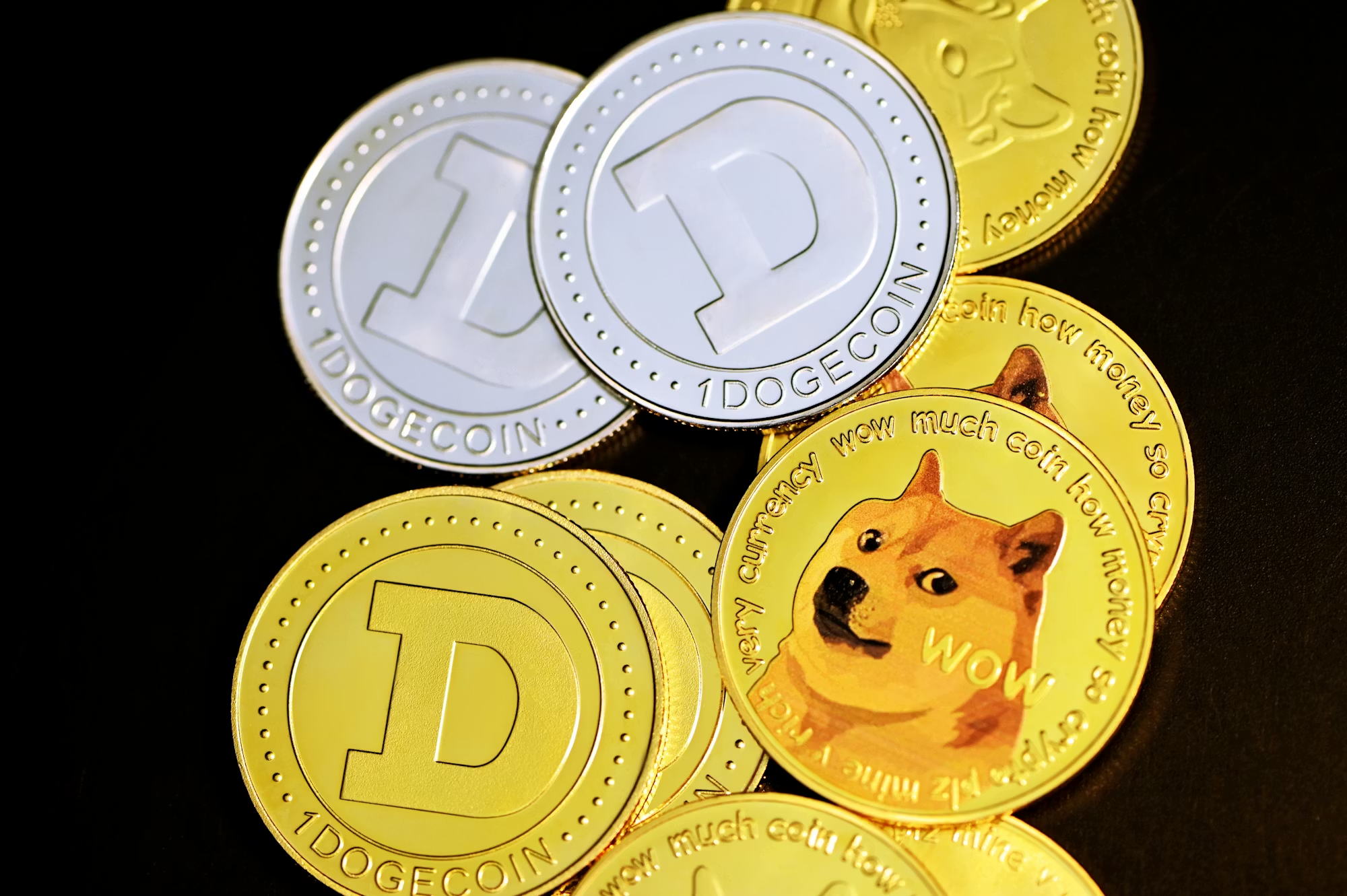
As cryptocurrency continues to gain traction as a viable investment option, many individuals are eager to explore this digital frontier. However, navigating the cryptocurrency landscape can be overwhelming for newcomers. With thousands of digital assets, diverse platforms, and varying regulations, understanding the essentials is crucial for making informed investment decisions. This article aims to provide new investors with a clear roadmap to enter the cryptocurrency market, covering fundamental concepts, strategies, and the associated risks.
Understanding Cryptocurrency
Cryptocurrency is a digital or virtual form of currency that utilizes cryptography for security. Unlike traditional currencies issued by governments, cryptocurrencies operate on decentralized networks based on blockchain technology. This decentralized nature allows for peer-to-peer transactions without the need for intermediaries, such as banks or financial institutions. Bitcoin, launched in 2009, was the first cryptocurrency, and it remains the most well-known. Since then, thousands of alternative cryptocurrencies (often referred to as altcoins) have emerged, each with unique features and use cases.
Key Concepts for New Investors
Before diving into the world of cryptocurrency, it’s essential to grasp some key concepts that will aid in your understanding and decision-making process:
1. Blockchain Technology
At the heart of cryptocurrencies is blockchain technology, a decentralized ledger that records all transactions across a network of computers. Each transaction is grouped into a block, which is then added to the chain of previous blocks. This technology ensures transparency, security, and immutability, making it nearly impossible to alter past transactions without consensus from the network.
2. Wallets
To buy, sell, or hold cryptocurrency, investors need a digital wallet. Wallets store the private keys required to access your cryptocurrency holdings. There are two main types of wallets: hot wallets, which are connected to the internet and allow for easy access, and cold wallets, which are offline and provide enhanced security. New investors should consider using cold wallets for long-term storage and hot wallets for active trading.
3. Exchanges
Cryptocurrency exchanges are platforms where investors can buy, sell, or trade cryptocurrencies. Some popular exchanges include Coinbase, Binance, and Kraken. When choosing an exchange, consider factors such as fees, security measures, user interface, and the variety of cryptocurrencies available. Many exchanges also offer educational resources to help new investors understand the market.
4. Market Capitalization
Market capitalization (market cap) is a crucial metric used to assess the size and value of a cryptocurrency. It is calculated by multiplying the total supply of coins by the current price per coin. Understanding market cap helps investors evaluate the relative size of different cryptocurrencies and gauge their potential for growth. Generally, cryptocurrencies are categorized as large-cap, mid-cap, or small-cap, with larger market caps often indicating more stability.
Investment Strategies
Once familiar with the fundamental concepts, new investors can explore various strategies for investing in cryptocurrency. Here are some common approaches:
1. HODLing
HODLing, a term derived from a misspelled online post, refers to the strategy of buying and holding cryptocurrencies for the long term, regardless of price fluctuations. This approach is based on the belief that the value of cryptocurrencies will increase over time. Many successful investors have adopted this strategy, particularly for established cryptocurrencies like Bitcoin and Ethereum.
2. Dollar-Cost Averaging
Dollar-cost averaging involves investing a fixed amount of money into cryptocurrency at regular intervals, regardless of market conditions. This strategy helps mitigate the effects of volatility by spreading out the investment over time. New investors can gradually build their portfolios while reducing the risk of making poor investment decisions based on short-term price movements.
3. Active Trading
For those with a higher risk tolerance and a keen interest in market analysis, active trading can be an exciting strategy. Traders buy and sell cryptocurrencies frequently to take advantage of price fluctuations. This approach requires a solid understanding of technical analysis, market trends, and trading indicators. However, it’s important to note that active trading can lead to significant losses, especially for inexperienced investors.
Risks and Challenges
While the potential rewards of investing in cryptocurrency can be substantial, there are also significant risks and challenges that new investors should be aware of:
1. Market Volatility
Cryptocurrencies are known for their price volatility, with prices often experiencing dramatic fluctuations within short periods. While this volatility can create opportunities for profit, it also poses risks for investors. New investors should be prepared for the possibility of rapid price declines and should only invest what they can afford to lose.
2. Regulatory Uncertainty
The regulatory environment surrounding cryptocurrencies is still evolving. Governments around the world are grappling with how to regulate this new asset class, leading to uncertainty for investors. Changes in regulations can impact the value of cryptocurrencies and the operations of exchanges, so staying informed about regulatory developments is crucial.
3. Security Concerns
The cryptocurrency space is not without security risks. Hacks, scams, and fraudulent schemes have occurred, resulting in significant financial losses for investors. New investors should take precautions, such as using secure wallets, enabling two-factor authentication, and being cautious about sharing personal information. Additionally, it’s essential to conduct thorough research before investing in any cryptocurrency or platform.
The Importance of Education
Education is vital for new investors looking to succeed in the cryptocurrency market. With a plethora of resources available, including online courses, webinars, and forums, investors should take the time to educate themselves about the various aspects of cryptocurrency investing. Understanding market trends, technological advancements, and the underlying principles of blockchain can provide a solid foundation for making informed investment decisions.
The Future of Cryptocurrency
As cryptocurrency continues to evolve, its potential impact on the global financial system is immense. Major companies are increasingly adopting cryptocurrencies for payments, and decentralized finance (DeFi) platforms are challenging traditional banking models. Moreover, central banks around the world are exploring the concept of central bank digital currencies (CBDCs), which could further integrate digital assets into everyday transactions.
Conclusion
In conclusion, entering the cryptocurrency market can be both exciting and daunting for new investors. By understanding fundamental concepts, exploring various investment strategies, and being aware of the associated risks, individuals can navigate the cryptocurrency landscape more confidently. Education plays a pivotal role in this journey, enabling investors to make informed decisions and ultimately achieve their financial goals. As the world of cryptocurrency continues to evolve, staying informed and adaptable will be key to thriving in this dynamic environment.